
Are Organic Eggs Pasteurized in the UAE?
Many buyers ask this because pasteurized eggs are used for some raw and lightly cooked recipes. This page explains the difference clearly, and how homes and professional kitchens usually handle it.
Related: how to store eggs in UAE weather, labels explained.
1. What Organic Certification Really Means
Organic certification is not only about the egg at the end. It is about the complete farming and supply process. That means the entire journey, from how hens are raised and fed, to how eggs are handled and supplied, must follow the organic system.
- No alteration concept: organic eggs are supplied as fresh shell eggs under certified organic procedures, not as a “processed” egg product.
- System based: the farming method, feed sourcing, welfare routines, hygiene controls, records, and audits are part of the organic framework.
- Traceability: buyers should rely on the carton label, batch information, and the proper cold chain after purchase.
2. Pasteurized Eggs vs Organic Eggs
Pasteurisation is a food safety control. It is done to reduce bacteria without fully cooking the egg. This is usually required in specific recipes or in specific kitchen categories.
Organic certification, on the other hand, focuses on the certified organic farming system. Pasteurization is not an organic farming step. It is a separate health requirement that depends on how and where you want to use eggs.
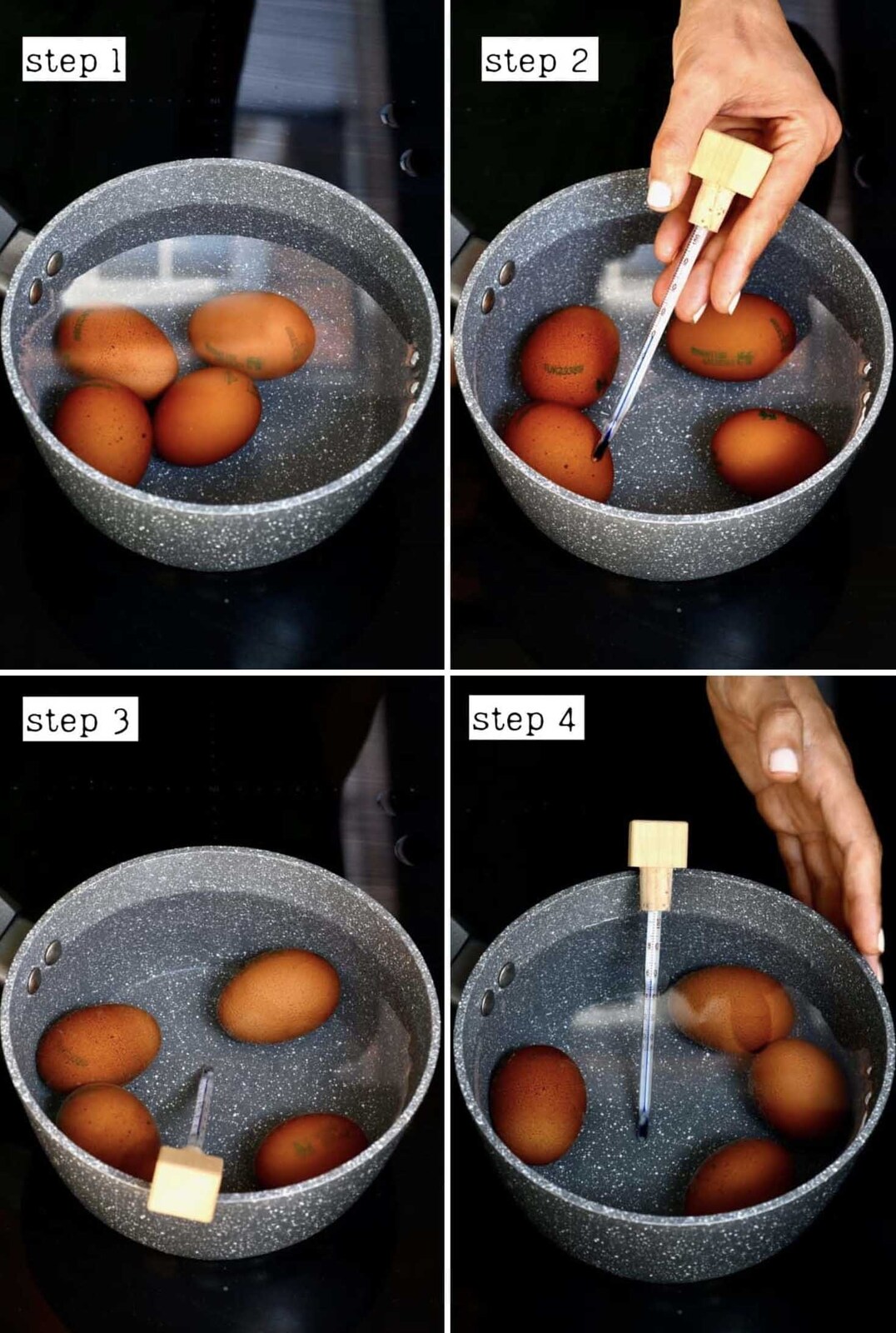
3. How To Pasteurize Eggs at Home
Some home users choose to pasteurize eggs for specific recipes. If you do, temperature control matters. Use a kitchen thermometer and keep the process gentle so the egg does not start cooking.
4. Hotels, Restaurants, Bakeries, and HACCP Kitchens
Commercial kitchens typically operate under a food safety system such as HACCP. In this environment, the decision is not emotional, it is procedural: your menu and your HACCP file decide the control.
- Fully cooked dishes: eggs are commonly used because the cooking step acts as the safety step.
- Raw or lightly cooked uses: your HACCP plan may require a commercially pasteurized product, or a validated internal process.
- Records and validation: commercial operations are responsible for monitoring, documentation, and equipment calibration per their system.
5. Where GardenZ Stands, Clear and Simple
GardenZ supplies certified organic shell eggs under controlled hygiene and cold chain handling. Organic certification is built around supplying eggs in their natural shell-egg form through a documented organic system.
Pasteurization is a use-case driven safety control. Because it depends on the buyer’s recipe, kitchen type, and compliance requirements, it is normally managed by the buyer as part of home handling or as part of a commercial HACCP process.
This page is for general information to help buyers use eggs correctly. For commercial operations, always follow your HACCP plan and applicable local requirements.
Need Organic Eggs in UAE?
Order fresh organic shell eggs for home cooking and fully cooked recipes. For raw or lightly cooked uses, choose the control that matches your use case and kitchen requirements.
Delivery slots and cut off time are shown at checkout.