
Egg Calories & Cholesterol: UAE Nutrition Guide 2026
Eggs offer an excellent balance of nutrients, including protein, healthy fats, vitamins, and minerals. But many people worry about calories and cholesterol, especially when aiming for fitness or managing health. This guide gives you the clear facts for the UAE context.
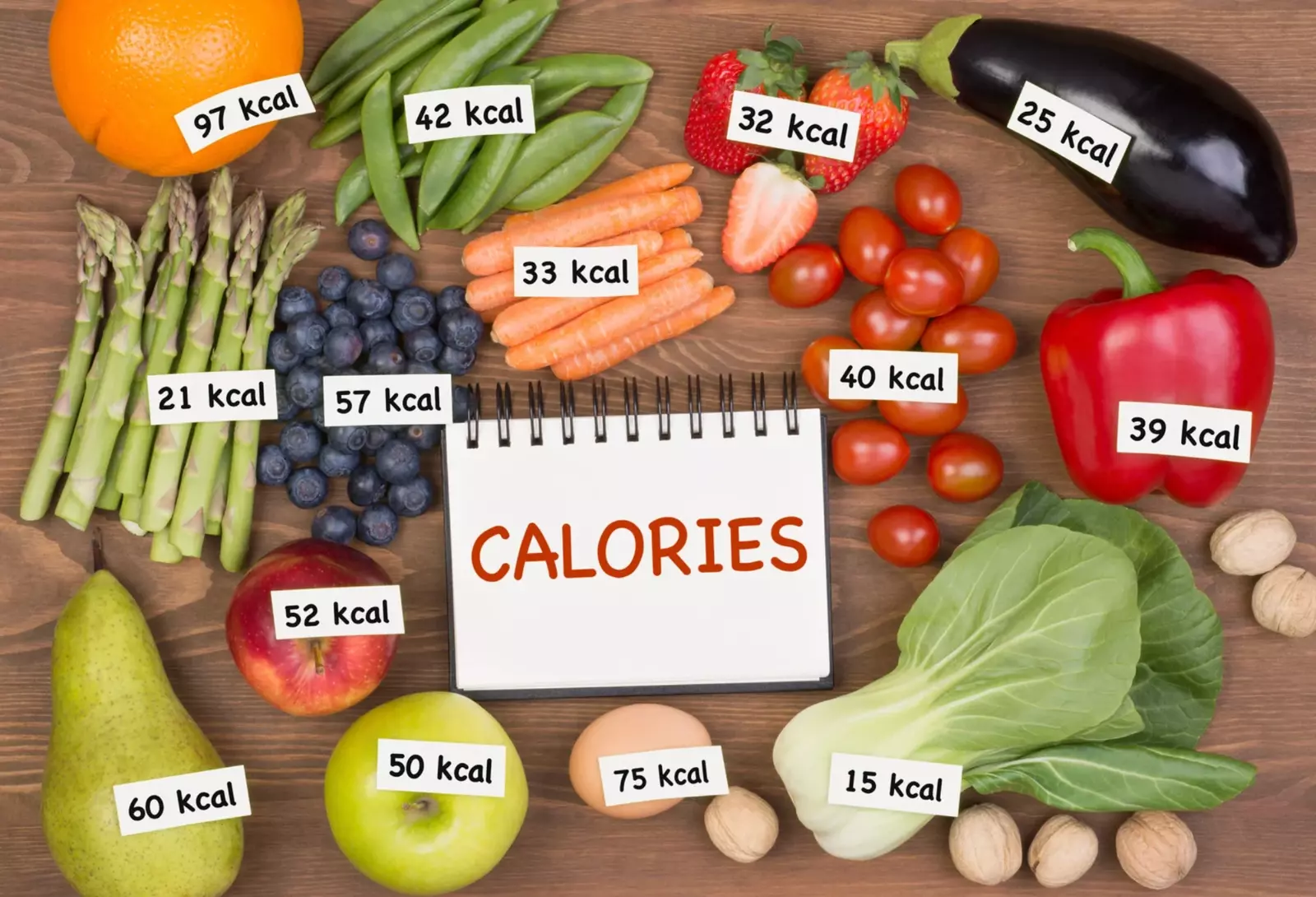
Below you’ll find:
- How many calories are in different parts of an egg (whole, white, yolk)
- How much cholesterol is in an egg
- Impacts on health, cholesterol levels, and heart wellness
- How to include eggs safely in UAE diets, for families, fitness, and daily meals
Egg Calories & Macro-Nutrient Breakdown
Here’s a standard nutritional breakdown for a large egg (≈ 50 g):
| Egg Part | Calories | Protein | Fat | Cholesterol |
|---|---|---|---|---|
| Whole large egg | 70 kcal | 6–7 g | 5 g | ≈ 185–200 mg |
| Egg white (large) | ~17 kcal | 3–4 g | ~0 g | 0 mg |
| Egg yolk (large) | ~55–60 kcal | 2–3 g | 5 g | ≈ 185–200 mg |
Therefore, a 2-egg breakfast (whole eggs) gives roughly 140 kcal, 12–14 g protein, 10 g fat, and ~370–400 mg cholesterol. If you prefer leaner nutrition, two egg whites give ~34 kcal and 6–8 g protein with virtually no fat or cholesterol.
Egg Cholesterol – What Science Says (Not Myths)
Dietary Cholesterol vs Blood Cholesterol
For many years, eggs were frowned upon due to cholesterol content. But modern research shows that for most healthy people, dietary cholesterol has minimal impact on blood cholesterol levels when the overall diet is balanced. Key findings often show:
- Egg consumption does not significantly raise LDL (bad) cholesterol for most people.
- Eggs often increase HDL (good cholesterol), improving the cholesterol profile or having a neutral overall effect.
- In a diet rich in vegetables, fiber, and healthy fats (common in balanced UAE and Mediterranean-style diets), eggs pose little risk for heart health.
Who Should Monitor Egg Intake?
Some people may need to watch how many eggs they eat, for example:
- Individuals with genetic hyper-cholesterolemia or a strong family history of heart disease.
- People advised by doctors to limit dietary cholesterol or saturated fat.
- Those eating large amounts of eggs daily along with lots of saturated fat, where balance becomes essential.
For most healthy UAE adults and active people, moderate egg intake (4–7 eggs per week, or more if balanced with vegetables and good fats) is considered safe and nutritious.
Eggs in UAE Diets — Smart Tips for Balanced Nutrition
- Use whole eggs for nutrient-rich meals when you are active or need balanced calories and protein.
- Use egg whites (or mix whites + 1 yolk) if you want lean protein with minimal fat and cholesterol (e.g., for weight loss or lighter meals).
- Pair eggs with vegetables, whole grains, fruits, and healthy fats (olive oil, avocado), common in balanced UAE and Mediterranean-style diets.
- Prefer high-welfare eggs (organic, free-range, pasture-style). See our pasture-raised eggs guide.
- Store eggs properly and consume fresh. Freshness helps retain nutrients, especially vitamins and antioxidants.
Curious about protein per egg or comparing eggs with other protein sources? Explore our Egg Protein Guide UAE for full details.
Choose Healthy Eggs – Delivered in UAE
Select from our high-welfare organic or free-range eggs, ideal for balanced diets, family meals, or fitness nutrition. Browse pack options in our UAE egg prices 2026 guide.
Availability and delivery options are shown at checkout.